Checking out the Conveniences and Applications of an Aluminum Foundry in Modern Production
Aluminum foundries play an important duty in modern manufacturing. Their ability to create light-weight yet sturdy parts is specifically useful in markets such as vehicle and aerospace. The use of cutting-edge spreading strategies even more enhances effectiveness and accuracy. As the need for lasting production methods grows, the significance of aluminum foundries remains to rise. What specific benefits do these centers supply, and how are they forming the future of manufacturing?
The Adaptability of Aluminum in Production
Aluminum, a light-weight steel, has actually come to be a foundation in modern manufacturing because of its exceptional adaptability. This versatility allows light weight aluminum to be used in numerous markets, varying from automotive to aerospace and construction. Its capacity to be quickly shaped and built makes it suitable for creating intricate parts and frameworks - Aluminum Casting. Furthermore, aluminum can be alloyed with other steels, improving its properties and expanding its applications
In the vehicle sector, aluminum is preferred for its strength-to-weight proportion, adding to sustain performance. In aerospace, its corrosion resistance and light-weight nature are critical for airplane performance. Furthermore, aluminum's recyclability includes environmental advantages, lining up with lasting manufacturing methods.
Trick Benefits of Using Aluminum Foundries
Aluminum foundries provide substantial benefits in production, primarily as a result of the light-weight nature of aluminum, which enhances product performance and effectiveness. In addition, these foundries offer an affordable technique to manufacturing, permitting organizations to minimize expenditures while maintaining top notch standards. Comprehending these benefits is necessary for business aiming to enhance their manufacturing procedures.
Lightweight Product Conveniences
Light-weight products play an essential role in modern production, and aluminum foundries exhibit the benefits of making use of such products. Aluminum provides an exceptional strength-to-weight ratio, permitting suppliers to generate parts that are both easy and durable to take care of. This lowers the overall weight of items, which can improve efficiency in numerous applications, from vehicle to aerospace. Additionally, the light-weight nature of light weight aluminum adds to improved gas effectiveness in lorries, as lighter components need less power to move. Moreover, aluminum's resistance to deterioration expands the life expectancy of elements, making them perfect for lasting usage. Overall, the advantages of lightweight products like aluminum are substantial, driving advancement and efficiency in making processes throughout multiple sectors.
Cost-Effectiveness in Production
While several materials are readily available for manufacturing, the cost-effectiveness of light weight aluminum foundries sticks out as a key benefit in production. Aluminum is fairly inexpensive and plentiful, reducing raw product costs significantly. Furthermore, the effectiveness of modern-day aluminum foundries permits for high-volume production with marginal waste, contributing to reduced overall expenditures. The fast solidification process in aluminum spreading not only accelerates production yet likewise decreases power consumption contrasted to various other steels. Additionally, the recyclability of aluminum includes in its cost-effectiveness, making it possible for manufacturers to reuse scrap material without compromising high quality. Generally, the economic advantages of utilizing light weight aluminum foundries make them a compelling selection for suppliers looking for to maximize manufacturing prices while maintaining high standards of quality and performance.
Applications of Aluminum Foundries Across Industries
Aluminum foundries play a crucial function in different industries, particularly in automobile and aerospace industries. Developments in the vehicle market have resulted in lightweight components, enhancing fuel performance and efficiency. Likewise, aerospace element manufacturing benefits from aluminum's strength-to-weight proportion, making it important for sophisticated aircraft designs.
Automotive Market Innovations
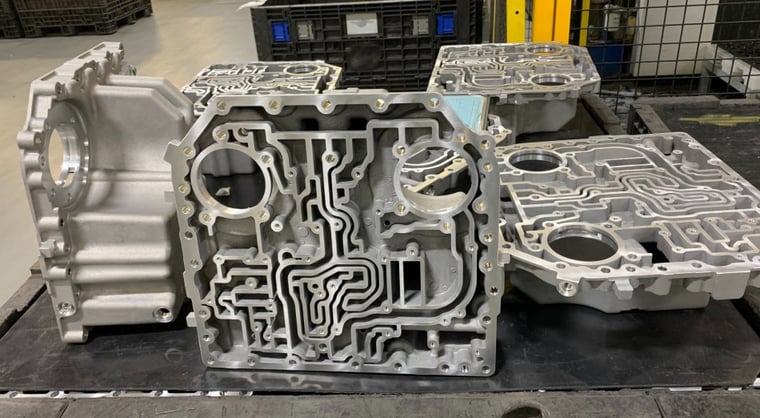
A considerable shift in the direction of light weight aluminum in the vehicle market has changed automobile style and manufacturing procedures. This lightweight material boosts gas effectiveness and decreases greenhouse gas exhausts, straightening with contemporary environmental criteria. Aluminum foundries play a crucial role in generating elements such as engine blocks, chassis, and body panels, advertising a streamlined production procedure via precision spreading methods. Developments in light weight aluminum alloys have further enhanced strength and longevity, making cars safer while preserving performance. Furthermore, the recyclability of light weight aluminum supports sustainability campaigns, enabling the growth of closed-loop manufacturing systems. As automakers welcome these improvements, the integration of light weight aluminum remains to drive innovation, cultivating the development of lighter, more reliable cars that meet consumer needs and regulative needs.
Aerospace Element Production
The aerospace sector progressively counts on aluminum foundries for the production of vital components that demand both light-weight features and high toughness. Aluminum alloys, known for their superb corrosion resistance and tiredness toughness, are perfect for producing components such as airplane structures, engine components, and structural supports. Factories use innovative spreading strategies, consisting of die casting and investment casting, to accomplish exact geometries and surface area finishes important for aerospace applications. This process not only enhances efficiency yet also contributes to sustain effectiveness and overall aircraft safety. Additionally, with the growing trend toward sustainable production, light weight aluminum foundries are taking on environmentally friendly methods, additionally solidifying their function in the aerospace industry. As demand for ingenious aerospace services increases, aluminum foundries will certainly remain to play a vital function in component production.
Ingenious Strategies in Aluminum Casting
While standard approaches of aluminum casting have actually long been fundamental in production, recent developments are reshaping the landscape. Methods such as 3D printing and additive manufacturing are revolutionizing the manufacturing procedure, permitting complex geometries that were formerly unattainable. These technologies allow rapid prototyping and reduce preparations, improving efficiency in item advancement. Additionally, stress pass away casting has actually seen enhancements, with enhanced automation and accuracy, causing higher-quality components with much less waste.
Additionally, the use of computer system simulation software application facilitates far better mold and mildew design and procedure optimization, reducing issues and enhancing return. Innovations in alloy formulations have actually also emerged, causing products that boast remarkable strength-to-weight proportions and improved performance features. These techniques show a change in the direction of more receptive and nimble visit homepage production settings, placing aluminum foundries to satisfy the needs of modern-day sectors while keeping competition in a quickly advancing industry
Ecological Influence and Sustainability of Aluminum Foundries
In the last few years, lots of light weight aluminum foundries have begun focusing on ecological sustainability as a core aspect of their operations. These facilities objective to lessen their carbon impact via various initiatives, including the recycling of aluminum scrap, which significantly minimizes power usage and waste. The reusing procedure needs around 95% much less power contrasted to main aluminum production, thus reducing greenhouse gas discharges.
In addition, advancements in foundry innovations have actually caused enhanced energy effectiveness and decreased discharges during casting processes. Many foundries are additionally taking on green techniques by using renewable resource resources, such as solar and wind power, to satisfy their energy needs.
In addition, the implementation of rigid environmental guidelines has motivated foundries to purchase cleaner innovations and waste management systems. By concentrating on sustainability, light weight aluminum foundries not only boost their operational efficiency however also add positively to the environment, lining up with global initiatives to promote lasting manufacturing techniques.
Future Patterns in Aluminum Foundry Technology
Exactly how will improvements in technology form the future of aluminum foundries? Arising technologies such as automation, expert system, and additive production are set to reinvent aluminum factory procedures. Automation will improve efficiency, minimizing labor costs and lessening human error. AI-driven analytics can enhance manufacturing processes, making sure much better quality control and predictive upkeep.
The combination of additive production can facilitate the production of complicated geometries that typical methods may have a hard time to attain. This will certainly enable foundries to create lighter and much more complex layouts, dealing with developing market demands.

Often Asked Concerns
What Is the Regular Lifespan of Aluminum Cast Products?
The regular lifespan of light weight aluminum cast items varies, typically varying from 10 to half a century, depending upon aspects such as ecological conditions, worldly top quality, and application. Correct upkeep can substantially prolong their toughness and efficiency.
Just How Do Aluminum Foundries Guarantee Quality Assurance?
What Are the Security Actions in Aluminum Foundries?
Aluminum foundries execute precaution such as correct air flow, individual protective devices, routine security training, and tools upkeep. These practices aim to decrease threats related to molten steel, guaranteeing a much safer working setting for workers.
Can Aluminum Be Recycled After Casting?
Yes, light weight aluminum can be reused after casting. The reusing process maintains its top quality, making it a sustainable selection. This ability to reuse aluminum greatly decreases power consumption and environmental effect, promoting a circular economic climate in manufacturing.
What Abilities Are Needed to Work in an Aluminum Foundry?
Functioning in a light weight aluminum factory needs skills such as metalworking, knowledge of casting navigate to this website procedures, focus to safety and security methods, analytic abilities, teamwork, and knowledge with operating machinery. These expertises ensure reliable manufacturing and premium outcomes.
Aluminum foundries offer significant advantages in manufacturing, mainly due to the lightweight nature of light weight aluminum, which enhances item performance and efficiency. Lightweight products play an important role in contemporary production, and light weight aluminum foundries exemplify the advantages of making use of such materials. While lots of materials are readily available for manufacturing, the cost-effectiveness of aluminum foundries stands out as an essential advantage in production. Aluminum foundries play a crucial role in creating components such as engine blocks, framework, and body panels, advertising a structured manufacturing procedure with accuracy spreading methods. Additionally, with the expanding fad toward lasting manufacturing, light weight aluminum foundries are adopting eco-friendly techniques, better solidifying their duty in the aerospace sector.